Custom Tailored Wedding Lehengas American Brides

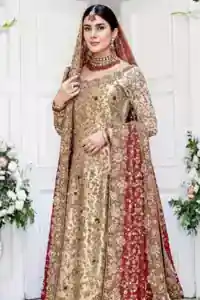
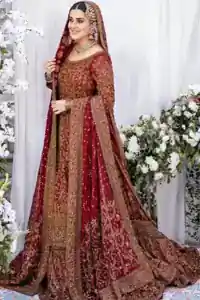
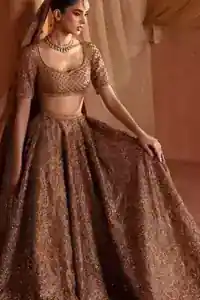
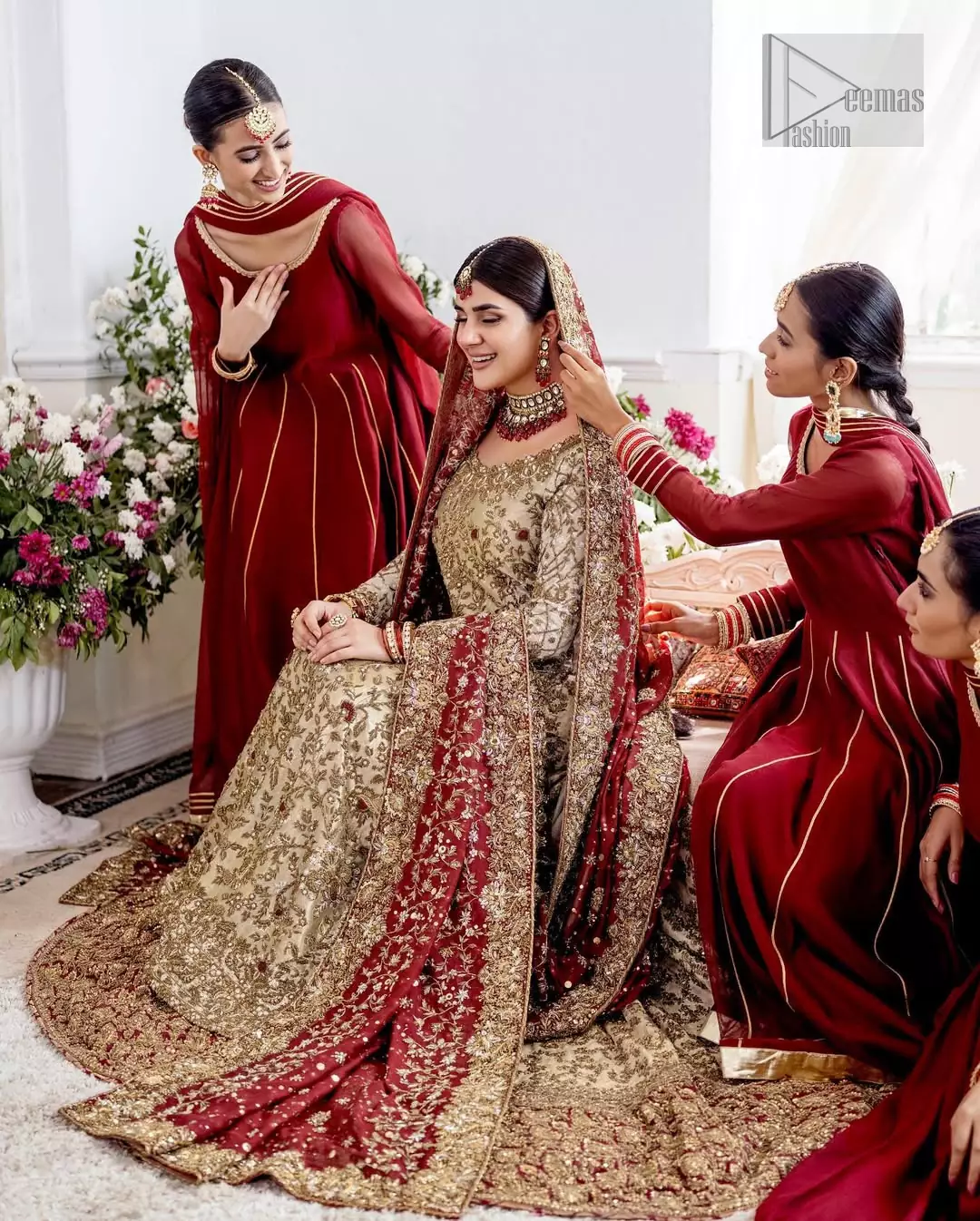
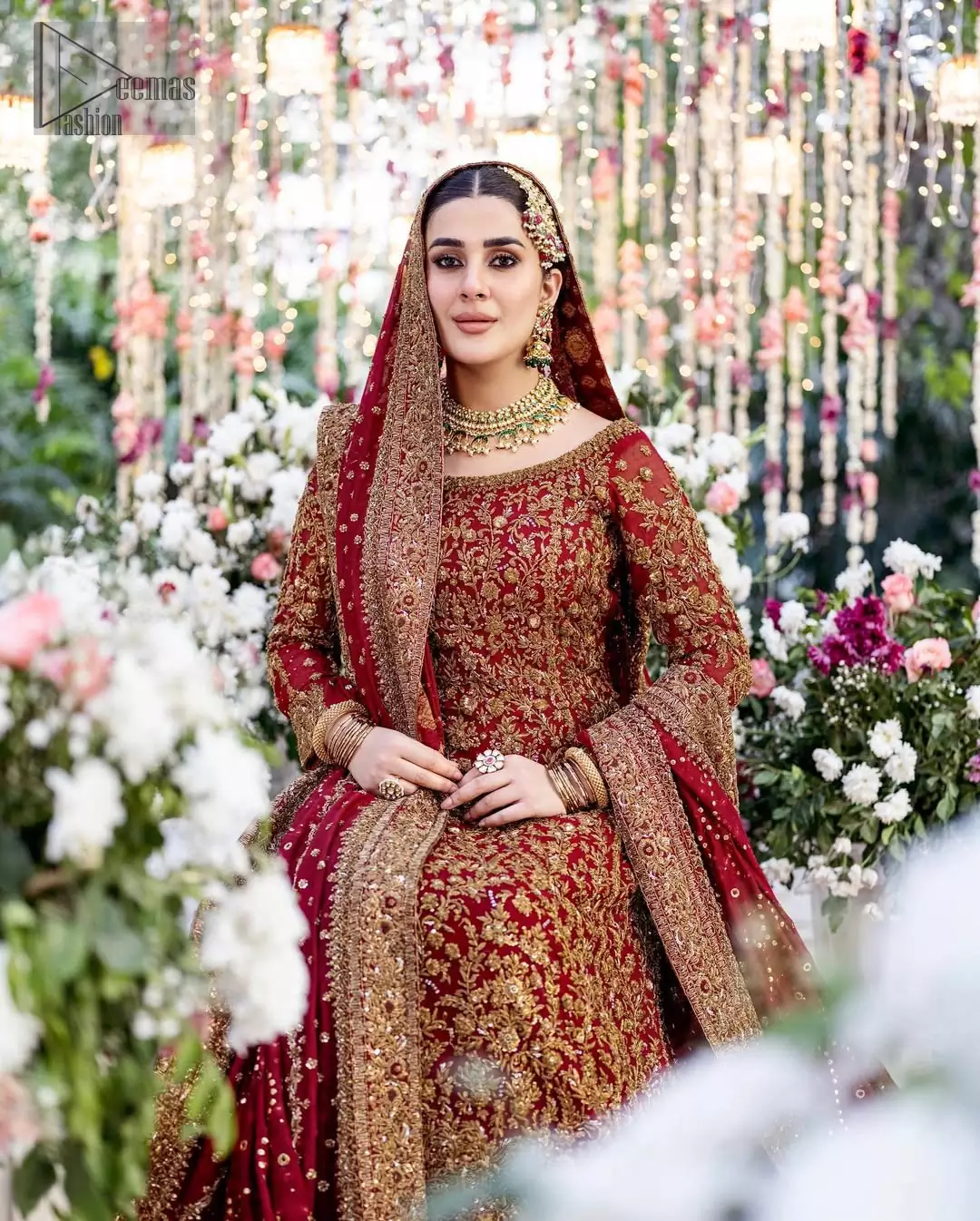
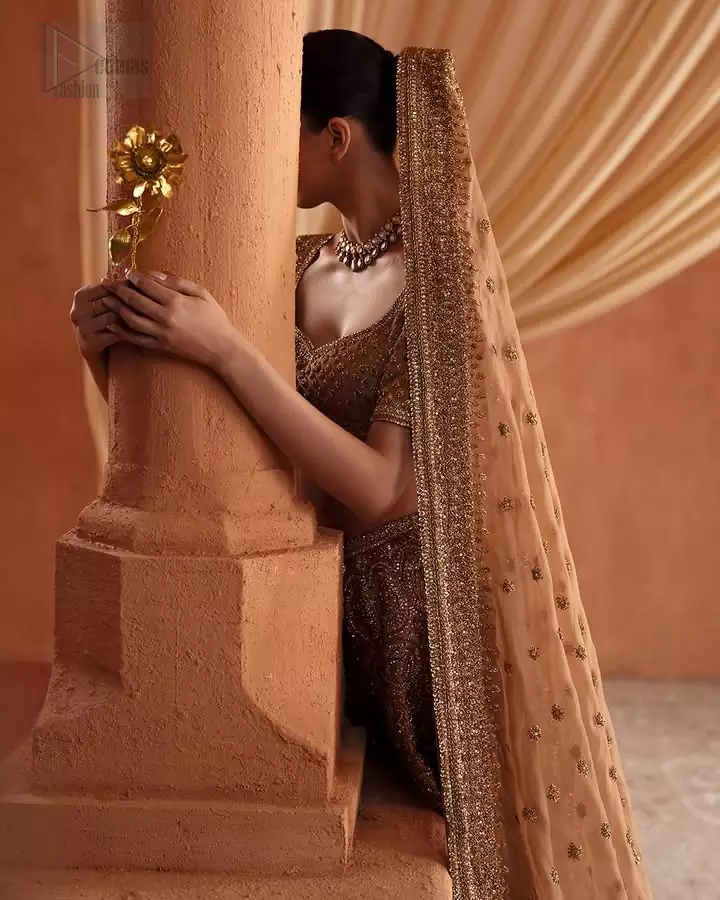
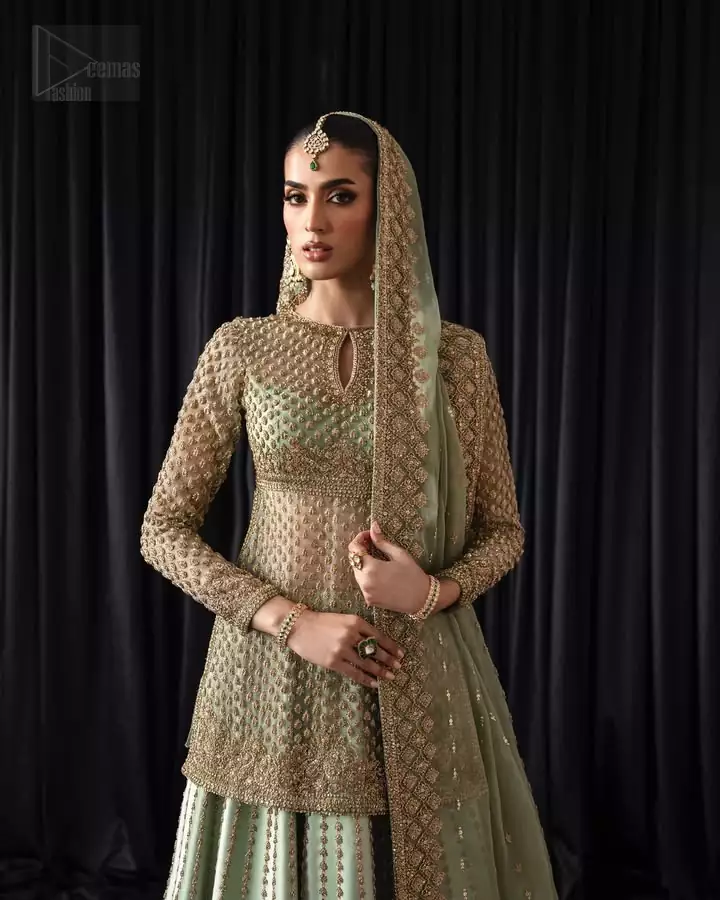
Morning light in a New York venue. Silk shifting colour as you move. The modern lehenga is not about weight. It is about intelligence. Today’s bride demands more from her lehenga. She wants movement, adaptability, and relevance beyond one event. In 2026, lehengas evolve through modular design, lighter construction, and intentional detailing. At Deemas Fashion, modern lehengas are built for this reality. For Bradford weddings that move between indoor and outdoor spaces, fabrics must regulate temperature. For New York ceremonies with tight seating, skirts must respond without bulk. When ceremony calls for restraint, we guide brides to explore Nikah wear tailored for modesty before transitioning into a heavier wedding lehenga.

Showing 1–24 of 535 results

Why has the lehenga remained the ultimate bridal silhouette?

Because no other garment commands space the same way. Historically, the ghagra created a ground-sweeping presence reserved for royalty and brides. The volume of fabric displayed wealth. The intricacy of handwork denoted status. Separate components allowed flexibility, repair, and generational reuse. That modular intelligence still defines a well-made lehenga today.

How do you prevent lehengas from becoming unbearably heavy?

By engineering weight distribution:- The anxiety around heaviness is valid. Poorly designed lehengas concentrate embroidery at the waist and hem, dragging the skirt downward. We redistribute handwork across panels and reinforce the waistband internally. A 10 to 12 meter flare should sway, not collapse. When the bride turns, the skirt follows. When she stops, it settles. That hushed rustle is intentional.

Can a lehenga overwhelm a bride’s frame?

Yes. And we refuse to allow it. Shorter brides require controlled volume and vertical paneling. Taller frames can carry wider flares. We adjust skirt circumference, border depth, and blouse proportion together. The lehenga must support the bride. Not dominate her.

Are traditional lehengas becoming dated in 2026?

Only when tradition is copied blindly. For heritage brides, we revive antique techniques using modern structure. Banarasi and Paithani inspired weaves appear in cleaner cuts. Zardozi is spaced, not clustered. Gota patti is layered lightly. This is generational design, not nostalgia.

How do modern brides reinterpret the lehenga? Through architecture.

Modernity lies in control, not excess.

What about sitting, walking, and movement during long events?

A lehenga must behave:- We test sitting depth, stair movement, and turn radius before finalising construction. Non-Newtonian padding is introduced selectively to maintain shape without stiffness. If a bride struggles to sit, the lehenga has failed.

How do you secure the dupatta without constant adjustment?

By planning for gravity :- Dupattas are weighted subtly at the border. Anchor points are hidden within blouse seams. This prevents slipping without visible pins. Calm drape equals calm posture.

Is there innovation in lehenga design? Yes. Used quietly.

Innovation should never overshadow ceremony.

Senior stylist perspective

A heavy jamawar lehenga is reserved for the bride who wants to command a room, not blend into it. Securing a Deemas Fashion lehenga means reserving artisan hours. Fabric is sourced after confirmation. Structure takes time. Ceremony deserves patience.

Why customers trust Deemas Fashion

Trusted Since 2005. Deemas Fashion Lake Grove owned & operated by
Deemas Fashion Ltd, Registered in England & Wales (No. 15417033).